
FLOODS AND FLOOD RISK MANAGEMENT
Floods are the most common and most costly natural disasters in Europe.
Although flooding is listed among the lowest fatality rate risks in Europe, it is the most frequent and costliest disaster to affect Europe each year, as it may trigger cascading effects. Flooding remains the most common risk within the national risk assessments, with all EU Member States acknowledging it.)
https://environment.ec.europa.eu/topics/water/floods_en
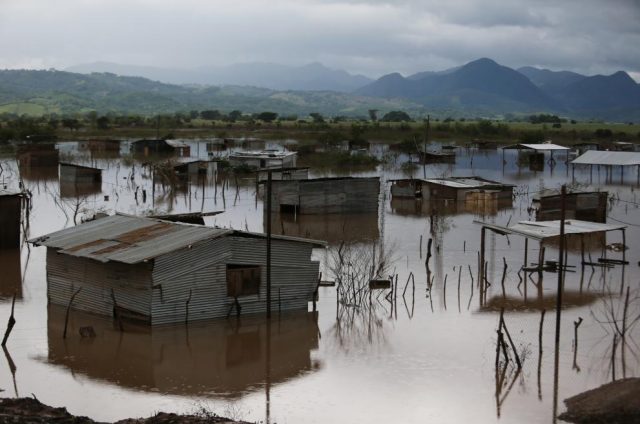
It is expected that the coming decades are likely to see a higher flood risk in Europe and more severe economic damage.
Floods are becoming more frequent due to climate change and have devastating effects, endangering lives and leading to heavy economic losses. Floods can also release pollutants stored in the ground and spread them even more widely. Floods may also destroy wetland areas and reduce biodiversity. https://environment.ec.europa.eu/topics/water/floods_en
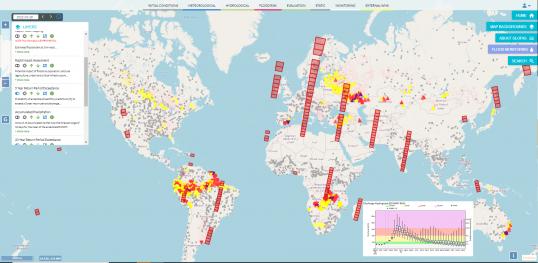
LISFLOOD and Glofas, flooding systems of the European Commission (europa.eu)
Flood risk management is under the sole responsibility of the governments and no other stakeholder should take any part in.
Delivery of flood risk management measures requires a tight, efficient partnership working across countries which share river basins, tiers of government, other managers and users of water and land, and relevant stakeholders. Many cases were presented showing methods and processes, a lot of which are supported by mapping and communication tools. These include a partnership working across governmental institutions, public and private organisations and multiple stakeholders, developed to suit the circumstances. The cases across multiple countries cover approaches such as voluntary River Contracts and large complex projects.)

Heavy rainfall is the only factor that result to massive flooding events.
Flooding occurs most commonly from heavy rainfall when natural watercourses lack the capacity to convey excess water. It can also result from other phenomena, particularly in coastal areas, by a storm surge associated with a tropical cyclone, a tsunami or a high tide. Dam failure, triggered by an earthquake, for instance, will lead to flooding of the downstream area, even in dry weather conditions. Various climatic and non-climatic processes can result in different types of floods: riverine floods, flash floods, urban floods, glacial lake outburst floods and coastal floods.)

Climate change has an important impact on agriculture, as it causes extreme weather events including flooding.
The impact of climate change is already being felt across the European Union, and European farming in particular, through changing rainfall patterns, rising temperatures, changes in seasonality and extreme weather events amongst others. Beyond impacts on agriculture through changes in flood risk, climate change will also impact the availability of water resources, thereby imposing additional pressures and constraints on the use of water by farming activities (whether for livestock or crop irrigation).

Flood risks are not a transnational issue, as there is no cross-border impact of flooding.
The cross-border impact of flooding is also significant, with more than half of river basins being cross-border. Alongside river flooding, some Member States also identified coastal floods and sea level rise, as well as pluvial flooding (also known as flash flooding) as significant risks.)
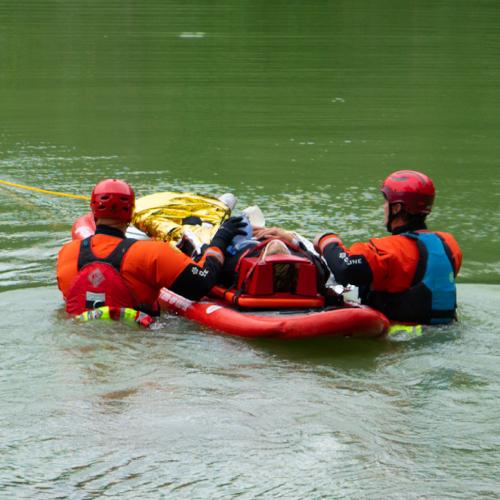
Flooding damages infrastructure and disrupts critical public services including:
Floods happen quickly, and are difficult to manage once they have occurred. Their effects can be long lasting, and flooded areas require a lot of management. Extensive planning is therefore needed to mitigate the effects of floods. Flooding damages infrastructure and disrupts critical public services including healthcare, clean water, sanitation, and transportation. Flooding may trigger cascading effects such as marine pollution, chemical/industrial waste incidents, epidemics and pandemics, wildfires, erosion, and landslides.)
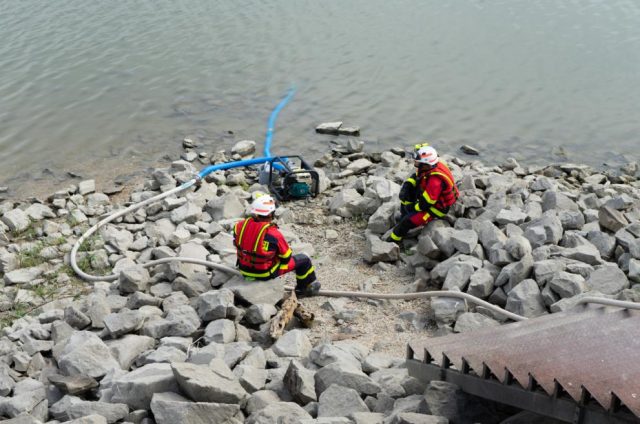
Low-lying coastal areas are at a high risk of compound flooding.
Compound flooding is a cumulative problem that occurs when large runoff from heavy rain (which causes river flooding) can combine with storm surges (which causes coastal flooding) to create compound flooding. The impact of this can be worse than the individual floods. Low-lying coastal areas are at a high risk of compound flooding.

What is the use of Early Warning Systems in Flood Risk Management?
Early warning systems (EWS) are key elements of climate change adaptation and disaster risk reduction, and aim to avoid or reduce the damages caused from hazards. To be effective, early warning systems need to actively involve the people and communities at risk from a range of hazards, facilitate public education and awareness of risks, disseminate messages and warnings efficiently and ensure that there is a constant state of preparedness and that early action is enabled. The significance of an effective early warning system lies in the recognition of its benefits by local people. The Early Warning and Response System (EWRS), which facilitates the monitoring and response activities, is used by the EU and Member States for notifications on outbreaks, exchanging information and decisions about the coordination of measures. Mainly to minimize the potential impacts of flood events.)
https://op.europa.eu/en/publication-detail/-/publication/89fcf0fc-edb9-11eb-a71c-01aa75ed71a1 , Establishment of early warning systems — English (europa.eu)

Flood warning lead-times of ….. give the possibility to set up the needed civil protection and emergency measures, minimising the impacts in terms of human lives and economic losses.
Enhanced ability to forecast peak discharges remains the most relevant non-structural measure for flood protection. Flood warning lead-times of 3–10 days give the possibility to set up the needed civil protection and emergency measures, minimising the impacts in terms of human lives and economic losses. The European Flood Awareness System (EFAS) supports preparatory measures before major flood events strike, particularly in the large trans-national river basins and throughout Europe in general. EFAS has been developed and tested at the Joint Research Centre in close collaboration with national hydrological and meteorological services, European Civil Protection and other research institutes.) Establishment of early warning systems — English (europa.eu)
